Buying a condo in Ocean Ridge should feel like stepping into a relaxed, coastal lifestyle, not a maze of fine print. If you love the idea of a boutique building steps from the sand, you also want clarity on how the condo association runs, what it costs, and what rules will shape your day-to-day living. In this guide, you’ll learn how Florida condo associations work, what to review in Ocean Ridge before you submit an offer, and the red flags to watch for so you can buy with confidence. Let’s dive in.
Ocean Ridge condo landscape
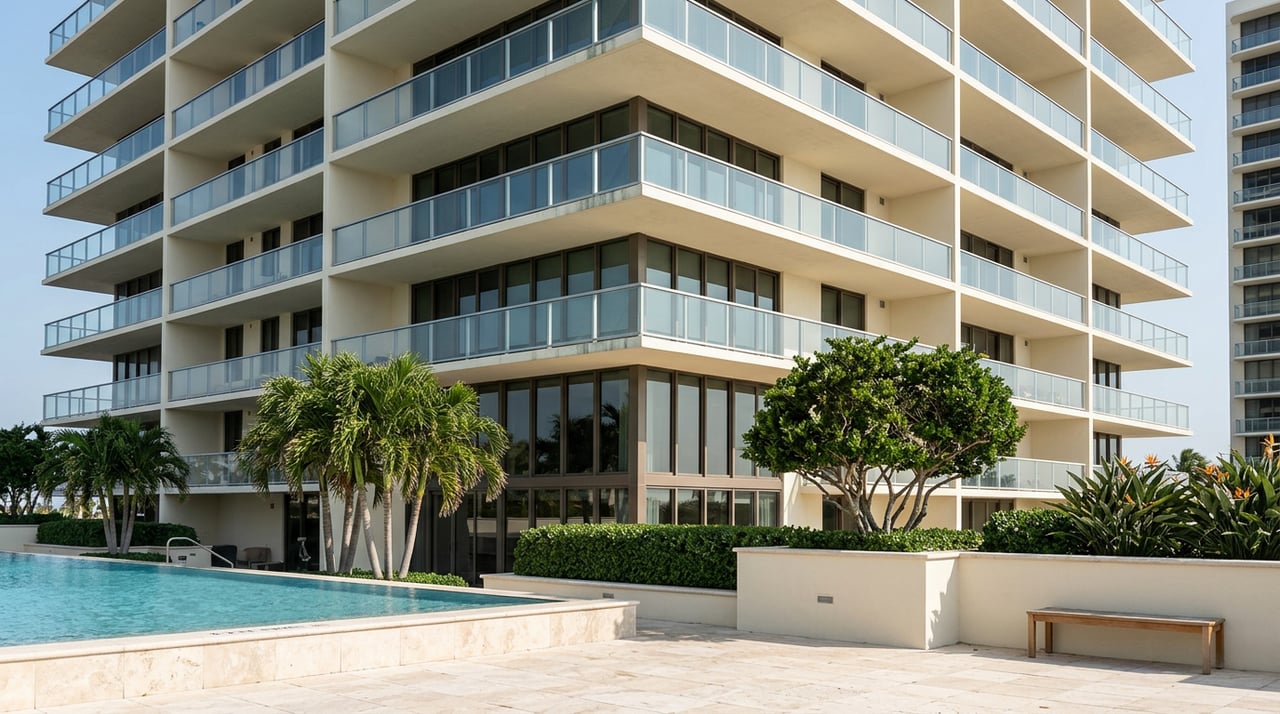
Ocean Ridge is a small, oceanfront town known for low-rise, boutique buildings and a quieter, village-style feel. If you prefer a tranquil setting over high-rise towers, you’ll find options that match that pace. With coastal living, you should plan for realities that can affect ownership and budgets.
- Insurance costs may be higher on the coast, and associations often carry master policies that can pass increased premiums to owners.
- Flood zones and building elevation matter. Confirm flood risk and ask about flood insurance requirements.
- Hurricane readiness is essential. Review the association’s emergency plans, storm protections, and building resiliency measures.
- Local ordinances from the Town of Ocean Ridge and Palm Beach County can affect leasing rules, construction, and permissible uses. Verify local rules early.
How Florida condo associations work
Condo associations in Florida operate under state law and the community’s governing documents. Understanding these basics will help you spot a well-run building.
Governing documents to know
- Declaration of condominium sets property rights, common elements, and use restrictions.
- Bylaws explain how the association is run, elections, and meetings.
- Articles of incorporation establish the association as a corporate entity.
- Rules and regulations cover day-to-day items like pets, parking, and noise.
- Management agreements and rental policies outline services, fees, and leasing restrictions.
These documents determine voting rights, assessment formulas, approval processes, and what you can and cannot do with your unit.
Board leadership and decisions
An elected board of directors manages daily operations within the law and governing documents. Members typically vote on budgets, special assessments, and major projects. Meetings follow notice and quorum rules, and minutes are usually available to owners.
Financial health and reserves
Associations maintain operating funds and reserves for big-ticket items like roofs, elevators, exterior painting, and paving. A reserve study or schedule estimates long-term costs. If funds fall short, the board may levy a special assessment or borrow. Review reserve balances, recent assessments, delinquency rates, and the most recent budget to gauge financial strength.
Insurance and liability
Associations carry master property, liability, and director and officer insurance. Coverage details vary by building and the declaration. You need to know what the master policy covers, what the owner’s policy should cover, and the size of deductibles, especially for hurricane, wind, and flood.
Records and resale information
Florida law provides for certain disclosures in a resale or estoppel-type document. This summary typically includes assessments, delinquencies, pending special assessments, rules, and litigation status. Buyers and lenders rely on it, so build time into your contract to obtain and review it.
Management
Some associations hire a professional management company. Others self-manage. Management agreements affect service levels, communication, and fees. Ask how the manager handles maintenance, compliance, and owner requests.
Your due diligence checklist
Request these documents as early as possible. If you like a unit, make your offer contingent on a full association review.
Core documents and records
- Declaration, bylaws, articles, and current rules and regulations
- Most recent annual budget and current year-to-date financials
- Reserve study or reserve schedule, plus evidence of funding
- Minutes of board and member meetings for the last 12 to 24 months
- Resale or estoppel certificate summarizing assessments and status items
- Master insurance policy declarations, including limits and deductibles
- Management contract and major vendor contracts
- Litigation disclosures and any related cost impacts
- Records of recent special assessments or major capital projects
- Rental policy and any approval process materials
- Amenity schedules and rules, including parking and storage
Key numbers to verify
- Monthly or quarterly assessment amount and what it includes
- Reserve balance and percentage of recommended funding
- Number and size of special assessments in the last 5 to 10 years
- Owner-occupied vs. renter ratio
- Assessment delinquency rate
- Pending or threatened litigation and potential exposure
- Insurance deductible amounts for hurricane, wind, and flood
- Planned capital projects in the next 12 to 36 months
Rules and approvals to expect
- Renovations: Architectural approval is common for exterior changes, system impacts, or flooring that affects sound transmission.
- Leasing: Some buildings set minimum ownership periods, lease terms, or limits on simultaneous leases. Approvals and background checks may apply.
- Pets: Rules often set size, breed, and count limits, plus common-area guidelines.
- Parking and storage: Assigned and guest parking rules are typical, along with storage locker policies.
- Short-term rentals: Many communities and municipalities limit rentals under a set number of days. Verify both association rules and local ordinances.
Amenity operations to review
- Who operates each amenity and how it is staffed
- Hours, reservation systems, and guest policies
- Cleaning and maintenance schedules
- How upkeep is funded, whether via operating budget or reserves
- Any deferred maintenance noted in minutes or inspection reports
Coastal factors to budget for
In an oceanfront town, a few lines in the documents can have bigger budget impacts.
- Flood zone and elevation: Confirm the building’s designation and what the association’s flood coverage includes. Ask your insurer for an estimate based on the building’s status and your intended coverage.
- Dune and beach responsibilities: Some buildings have obligations related to dune protection or beach access that influence costs and maintenance schedules.
- Hurricane preparedness: Look for shutter or impact-window policies, generator capacity, fuel contracts, and emergency communications plans. Understand your role during storm season.
Red flags that deserve a closer look
Use this list to focus your questions and negotiate with open eyes.
- No recent reserve study or a sharp decline in reserve balances
- Multiple or large special assessments in recent years
- High assessment delinquency compared with typical communities
- Ongoing litigation or multiple legal matters
- Deferred maintenance noted in minutes or inspection reports, such as roofs or exterior concrete
- Master insurance with large wind or hurricane deductibles, or gaps in coverage
- Restrictions that conflict with your plans, such as leasing or pet rules
- Inconsistent minutes, limited financial reporting, or frequent management turnover
Smart questions to ask early
Targeted questions help you verify risk, budget, and fit.
- What percentage of units are owner-occupied versus rented?
- Have there been special assessments in the last five years? For what, and how were they funded?
- When was the last reserve study, and how close is funding to recommendations?
- Are there any pending lawsuits or formal claims against the association?
- What does the master insurance cover, and what are the deductibles?
- Are any capital projects planned in the next 12 to 36 months?
- What are the leasing rules and approval timelines for tenants?
- Who manages the property, and what services are included?
- Can I review association minutes for the past 12 to 24 months?
Simple timeline from search to closing
Set expectations and build time into your contract to protect your purchase.
Pre-offer
- Ask the listing agent for a document summary, including the current budget, recent minutes, and any known special assessments.
- Confirm leasing and pet rules that could affect your use of the unit.
Contract stage
- Add a strong condo document review contingency with time to obtain the resale or estoppel certificate and full records.
- Review financials, reserves, insurance, and minutes. Consult a Florida community association attorney or your CPA if needed.
Before closing
- Confirm insurance requirements for both the association and your unit policy.
- Verify there are no outstanding assessments or liens on the unit.
- Complete any required association approvals for move-in or planned remodeling.
Partner with a local advocate
A calm, informed process starts with the right guide. You want a broker who understands boutique coastal buildings, can spot financial and insurance issues early, and knows how Ocean Ridge rules and seasonality affect value. If you’re considering a condo here, let’s review the association together, line by line, so you can buy with confidence and enjoy the lifestyle you came for.
Ready to start? Connect with the team at Judith Randon Realty Inc for buyer representation tailored to oceanfront and resort-style condos across South Florida.
FAQs
What documents should I review before buying an Ocean Ridge condo?
- Request the declaration, bylaws, articles, rules, current budget, year-to-date financials, reserve study, minutes, insurance declarations, management contract, vendor contracts, litigation disclosures, and the resale or estoppel certificate.
How do condo reserves affect my future costs as an owner?
- Strong reserves reduce the chance of special assessments for big items like roofs or elevators, while low reserves increase the risk of large one-time owner charges.
What is an estoppel or resale certificate in Florida condos?
- It is an association-issued summary that outlines assessments, delinquencies, rules, litigation, and other status items that buyers and lenders use to verify the community’s standing.
Are short-term rentals allowed in Ocean Ridge condo buildings?
- Many associations and local rules restrict short stays, so verify both the building’s leasing policies and Ocean Ridge ordinances before you buy.
What insurance do I need if the association has a master policy?
- The association insures common elements, but you typically need an owner policy for interior elements and personal property, and you should confirm deductibles and coverage gaps with the association and your insurer.