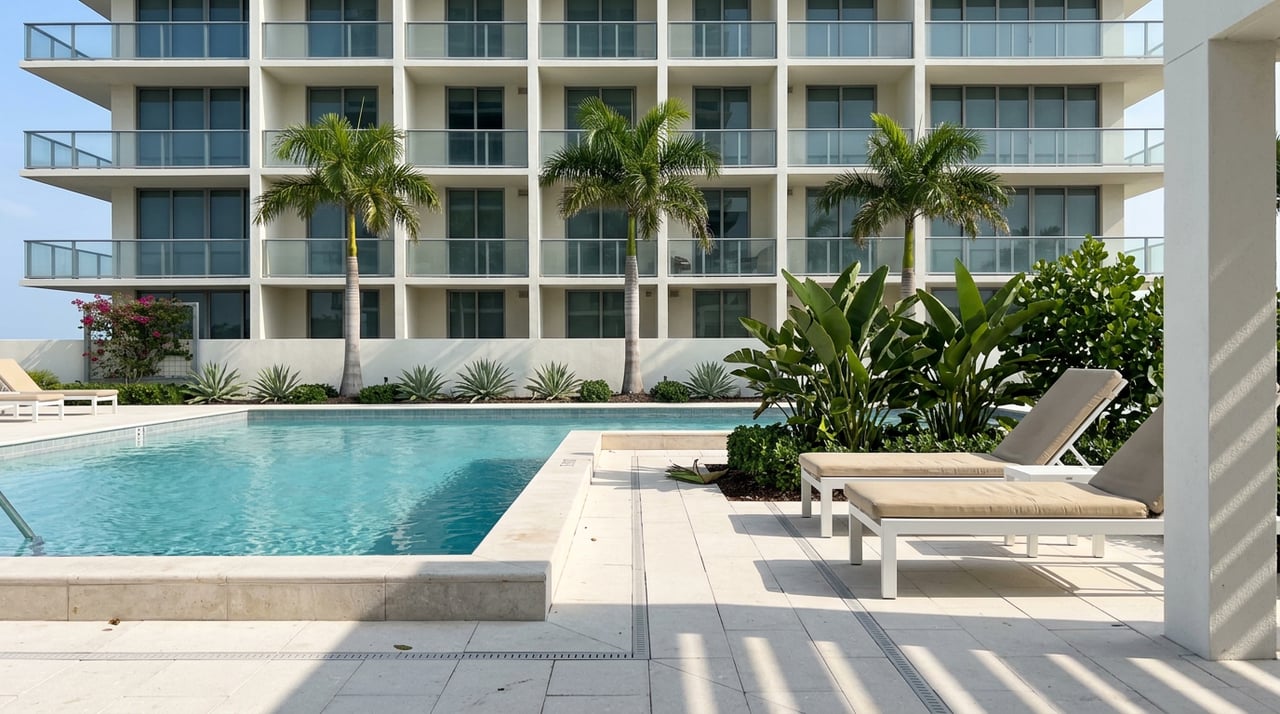
Thinking about a quieter oceanfront life with easy access to Boca Raton and Delray Beach? If you are relocating from the Northeast or abroad, Highland Beach offers a calm, condo-centric setting with the beach at your doorstep. In this guide, you will learn how the local condo market works, what to expect for commute and airports, how seasonality affects life here, and how condo approvals, financing, and closings really play out. You will also get practical checklists, including tips for international buyers. Let’s dive in.
Why Highland Beach appeals
Highland Beach sits on a narrow barrier island between Boca Raton and Delray Beach. The town is compact and largely built out, with most housing in multi-unit buildings rather than single-family neighborhoods. Town planning documents characterize it as primarily residential, which contributes to a quieter, low-key vibe compared with nearby downtown hubs. You get calm beach living while staying close to dining, shopping, arts, and services in Boca and Delray.
Condo landscape at a glance
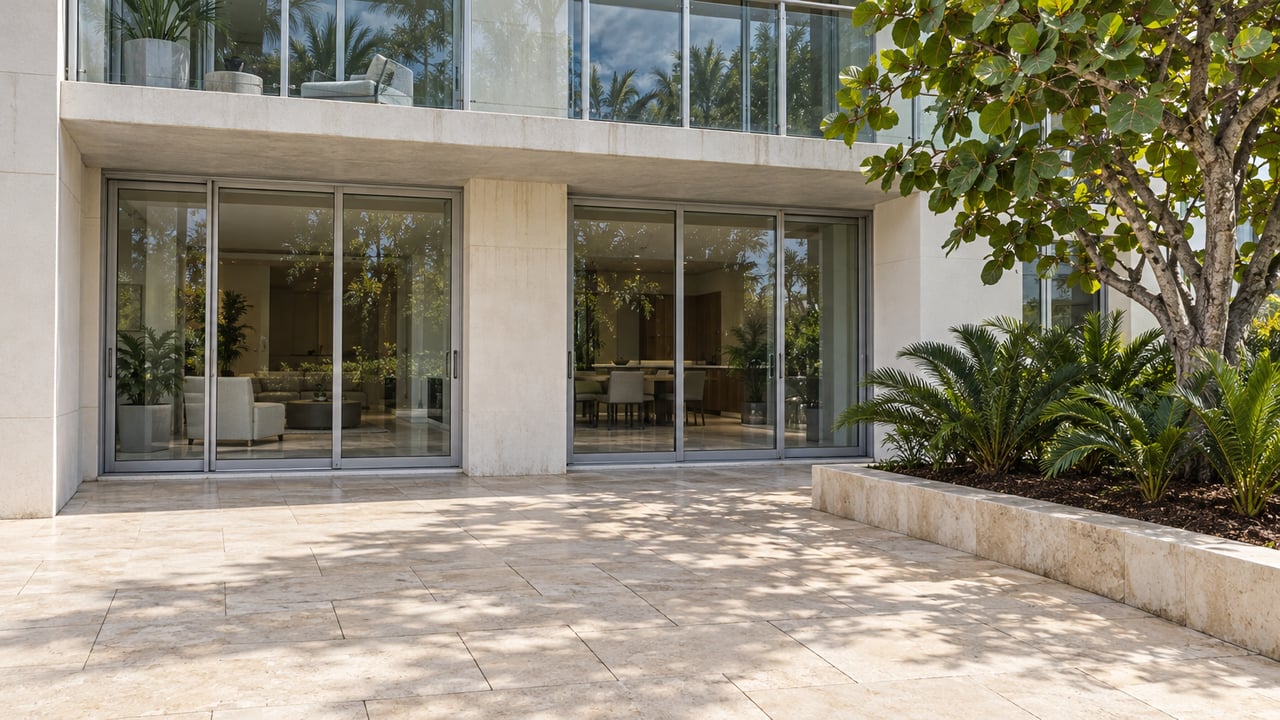
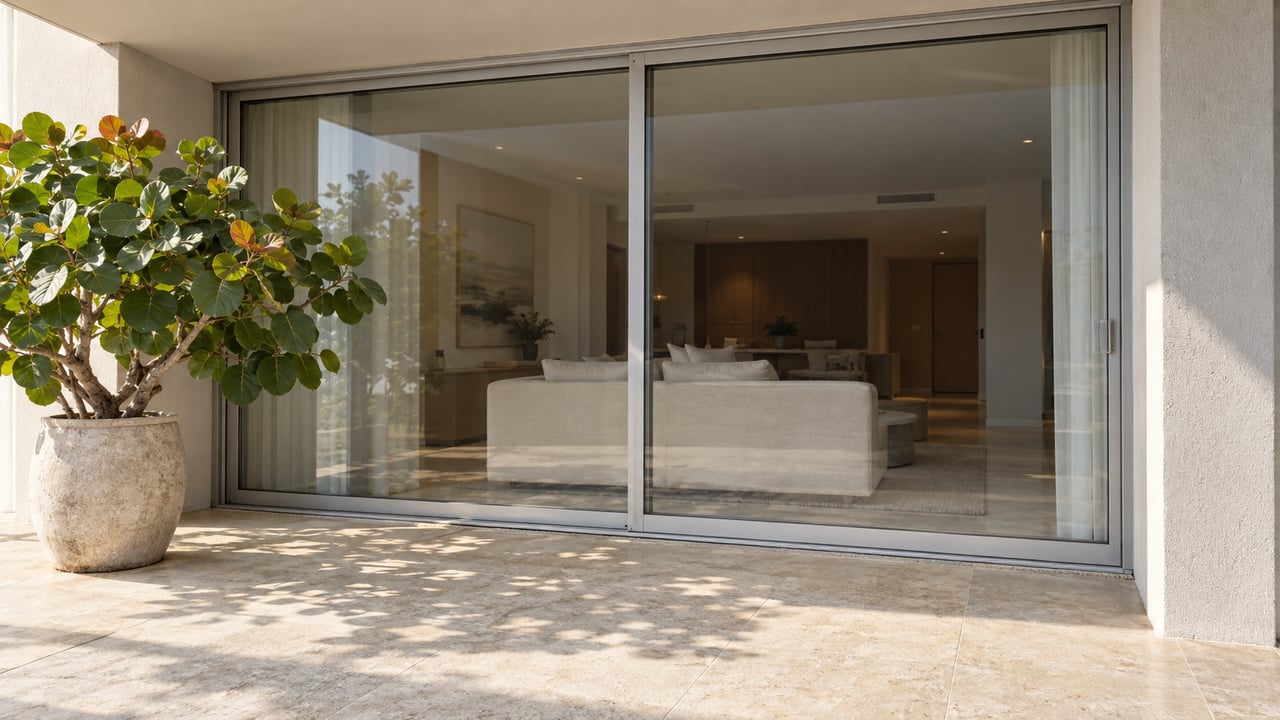
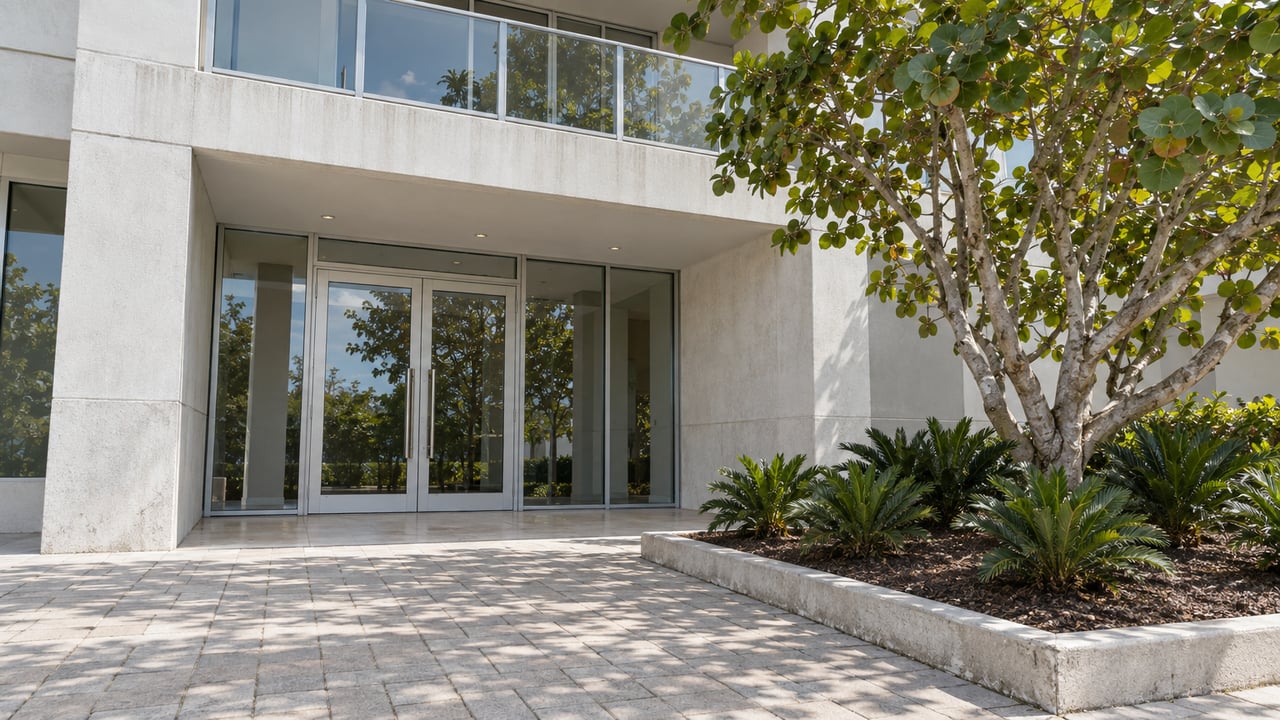
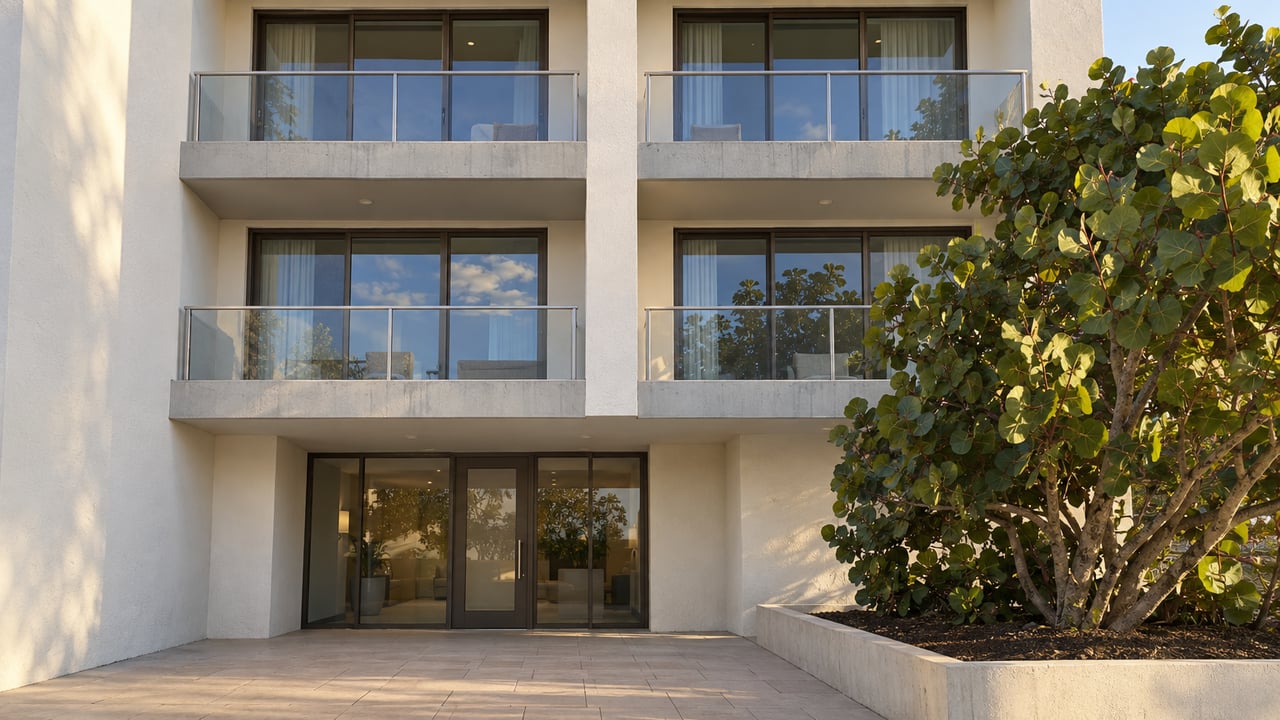
Most options are oceanfront high-rise or mid-rise condominiums. Many buildings offer amenities like pools, fitness centers, and beach access. You will also find low-rise buildings along the Intracoastal Waterway and a very limited number of single-family homes. Town planning materials confirm the strong multi-family mix and built-out character, which limits new single-family supply and supports a condo-focused market. You can learn more in the town’s Comprehensive Plan.
Getting around and airports
Highland Beach follows A1A along the ocean, with quick drives to US-1 and I-95 for regional access. You will rely on car, rideshare, or car service for last-mile travel, including trips to nearby commuter rail stations on the mainland. For air travel, Palm Beach International is commonly the most convenient major airport, with Fort Lauderdale and Miami offering broader route options. Always check real-time mapping and allow extra time during peak travel periods.
Seasonality and timing your move
South Florida’s high season generally runs December through April. Expect fuller restaurants, busier roads, and higher demand for seasonal rentals during those months. Tourism sources identify this winter window as peak coastal demand across the Palm Beaches, which is helpful when planning closings, deliveries, and move-in dates. For context, see this update from The Palm Beaches.
Short-term rentals 101
If you plan to rent your condo, know that Highland Beach requires vacation rental registration and safety standards. The Town places responsibility on owners to confirm condominium or HOA permission before operating a short-term rental. Many condo associations restrict or prohibit short-term rentals even when the Town framework allows registration. Review the Town’s Vacation Rental Registration and your building’s bylaws before you buy.
Insurance and property taxes
In Florida condos, the association typically carries a master policy for the building. You, as the unit owner, usually carry an HO-6 policy that covers interior finishes, contents, liability, and often loss-assessment. Loss-assessment coverage matters because hurricane or wind deductibles on the master policy can lead to special assessments for owners. For a clear breakdown of condo insurance basics, see this overview from Forbes Advisor.
Property taxes are set by multiple taxing authorities in Palm Beach County and are based on millage rates and assessed values. Assessed values can change each year, so request an estimate for your target property during due diligence. To review millage and tax roll details, visit the Palm Beach County Property Appraiser.
Association approvals and estoppels
Florida’s Condominium Act standardizes how associations issue estoppel, or resale, certificates. Associations must provide the estoppel within 10 business days of a written or electronic request, and the certificate includes key information such as fees, assessments, insurance contacts, and whether board approval is required for a transfer. The certificate also has a set effective period, which lenders will want to be current near closing. You can read the statute in Chapter 718.
Many associations require a buyer application and, in some cases, board acknowledgement before closing. These steps can add days or weeks to your timeline if the board meets monthly or if background and credit checks take time. Ask early about the application package, fees, and expected turnaround.
Financing condos in Highland Beach
Lenders categorize condo projects as warrantable or non-warrantable. If your building meets Fannie Mae or Freddie Mac standards, you will likely have access to conventional loan options. Non-warrantable projects can limit lender choice and often require larger down payments or portfolio loans. Work with a lender who understands condo project reviews and verify the building’s status using Fannie Mae’s Condo Status Finder.
Lenders look closely at budgets, reserves, any pending or recent special assessments, and issues such as litigation or a high percentage of rentals. Ask the association for the latest budget, reserve study, insurance summary, and disclosures. This helps your lender assess project eligibility and helps you make an informed decision.
Typical closing timeline
A financed condo purchase in Florida typically takes about 30 to 45 days from contract to close. Cash purchases can be much faster if title is clean and the association package is straightforward. Expect more time if your building requires board approval or if your lender needs an in-depth project review. For a clear overview of the Florida closing process, see this guide from JJP Legal.
Buyer milestone checklist
- Offer accepted and contract executed. Deposit goes to escrow. Open your title file.
- Order the association estoppel and resale documents immediately. Florida law gives the association 10 business days to deliver, and the certificate has a set effective period that must align with closing. See Chapter 718.
- Complete your loan application and appraisal. Your lender may request a condo questionnaire and association budget or insurance details.
- Inspect the unit and review the association documents. Ask about reserves, recent or pending special assessments, litigation, and rental policies.
- Final underwriting, clear-to-close, and closing scheduling. Verify wire instructions directly with your title company by phone before sending funds.
Remote and out-of-area closings
Florida allows remote or out-of-state closings. If you will not be present, coordinate early with your lender and title company about what can be e-signed and whether a power of attorney is acceptable for any loan documents. Build in extra time for international notarization or courier steps if you are overseas.
International buyer primer
Foreign-national loan programs exist for condo purchases, but they usually require larger down payments compared with standard U.S. buyer programs. Many lenders look for 25 to 30 percent or more, along with alternative documentation such as passports, foreign income records, and bank references. Start with a lender experienced in foreign-national loans and confirm building eligibility early. For a helpful overview, see this guide to foreign-national mortgage loans.
If the seller is a foreign person, the buyer or closing agent may have withholding responsibilities under FIRPTA. Your title team will collect certifications and handle the required forms, but you should consult a U.S. tax advisor to understand timelines and any exceptions. Learn more from the IRS overview of FIRPTA withholding.
Quick checklist: secure funds and ID
- Open a U.S. bank account early to simplify wires and closing funds.
- Confirm wire instructions by phone with your title company. Never rely solely on email.
- Gather passport, proof of funds, and any translated financial documents in advance.
- Allow extra time for international bank compliance reviews and wire transfers.
How we help you compare buildings
Every building has its own bylaws, rental rules, reserves, and application timelines. Your best outcomes come from pairing local guidance with lender and title partners who handle condos every day. We help you identify the right fit, set realistic timelines, and coordinate the estoppel, approvals, and lender project review so you avoid last-minute surprises.
Ready to compare Highland Beach condos or talk through financing and timing? Connect with the local team that specializes in oceanfront and resort-style buildings. Start your move with Judith Randon Realty Inc.
FAQs
How does Highland Beach differ from Boca and Delray?
- Highland Beach is small, built out, and primarily residential, while Boca Raton and Delray Beach offer larger downtowns, retail, and entertainment. You get quiet beach living with quick access to nearby amenities. See the Town’s Comprehensive Plan.
What is a realistic condo closing timeline in Highland Beach?
- Most financed condo purchases take about 30 to 45 days, with cash deals sometimes faster. Add time if your lender needs a project review or if the building requires board approval, as noted in JJP Legal’s closing overview.
Can I operate a short-term rental in Highland Beach?
- The Town requires vacation rental registration and compliance, and many condo associations restrict or prohibit short-term rentals. Confirm both the Town rules and your building’s bylaws. Start with the Town’s Vacation Rental Registration.
What should I know about condo financing?
- Loan options depend on whether the building is warrantable. Verify status with your lender using Fannie Mae’s Condo Status Finder and review association budgets, reserves, and any assessments early.
How do condo insurance and taxes work in Palm Beach County?
- Your association typically holds a master policy, while you carry an HO-6 for interiors, contents, and loss-assessment. See Forbes Advisor’s condo insurance guide. For millage and assessed value details, visit the Palm Beach County Property Appraiser.
What extra steps should international buyers plan for?
- Expect larger down payments for foreign-national loans, prepare passport and financial documentation, and learn about FIRPTA if the seller is foreign. See this foreign-national mortgage overview and the IRS page on FIRPTA withholding.