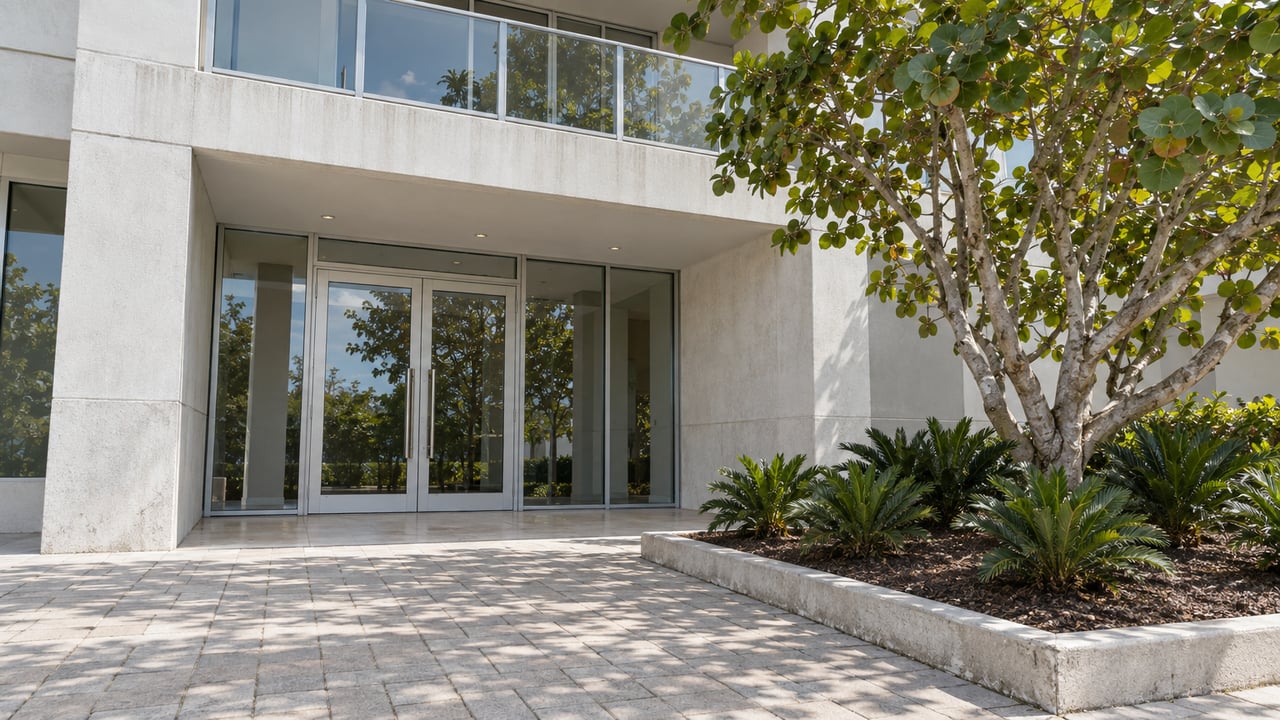
If you are shopping for a luxury condo in Boca Raton, the monthly fee can feel like the biggest question mark in the whole deal. You want to know what you are really paying for, whether the number makes sense, and how it could affect your long-term costs. The good news is that condo fees are not just a random line item. They reflect how the building is funded, maintained, and prepared for future needs. Let’s dive in.
What luxury condo fees mean
In a Florida condominium, monthly condo fees are each owner’s share of the building’s common expenses. Those common expenses can include the operation, maintenance, repair, replacement, and protection of common elements and association property.
In plain terms, your fee helps fund the parts of the property that are shared or managed by the association. That can include the day-to-day building budget as well as certain required and approved services tied to the building’s governing documents.
What Boca Raton luxury condo fees may cover
Luxury condo fees in Boca Raton can cover a wide range of items, depending on the building. Under Florida law, common expenses may include not only maintenance and repairs, but also services that are often part of a higher-end condo lifestyle.
These may include:
- Security services
- Transportation services
- In-house communications
- Fire safety equipment required by government rules
- Master-metered water and sewer service
- Bulk cable or internet, if authorized by the condo documents or board contract
- Directors and officers insurance
That helps explain why one luxury building may have a very different monthly fee from another. The fee is often tied to the level of service and shared infrastructure the association is responsible for supporting.
Why luxury condo fees can be higher
A higher monthly fee does not always mean a bad deal. In many Boca Raton luxury buildings, a larger fee reflects a broader operating budget, more services, and more complex building systems.
For example, if a tower funds security, communications services, master-metered utilities, and building-wide maintenance through the association, those costs are part of the monthly fee structure. The more the building includes, the more important it becomes to compare value, not just the number itself.
Insurance is a major cost driver
Florida law requires condominium associations to maintain adequate property insurance for the association property, common elements, and covered condominium property. The association’s policy must be based on replacement cost, and that estimate must be updated at least every three years.
Deductibles and losses above policy limits are common expenses. Associations may also maintain flood insurance, directors and officers coverage, and fidelity bonding, with required bonding paid by the association.
Your unit still has separate responsibilities
It is important to know that the association’s policy usually does not cover everything inside your condo. Florida law excludes personal property and certain interior finish items from the association’s typical coverage.
That can include:
- Floor, wall, and ceiling coverings
- Appliances
- Built-in cabinets and countertops
- Window treatments
- Personal belongings
So while the monthly fee may include significant insurance costs, you still need to understand where the association’s responsibility ends and your own begins.
Reserves matter more than ever
One of the biggest reasons condo fees deserve a closer look is reserve funding. In Florida, reserve planning has become a much more important part of condo budgeting, especially for certain multi-story residential buildings.
A Structural Integrity Reserve Study, often called a SIRS, applies to residential condominium buildings with three or more habitable stories. This study is based on a visual inspection and must evaluate key components that affect the building’s future repair and replacement needs.
What a SIRS covers
Florida requires the study to address eight key component categories:
- Roof
- Structural systems
- Fireproofing and fire protection systems
- Plumbing
- Electrical systems
- Waterproofing and exterior painting
- Windows and exterior doors
- Other items over the legal threshold that affect structural integrity
The study also includes a reserve funding plan. That plan connects today’s reserve contributions to tomorrow’s expected repair or replacement costs.
Why reserves can increase monthly fees
For budgets adopted on or after December 31, 2024, associations that are subject to SIRS may not waive reserve funding for the required structural items. If reserves are not adequate to meet the study’s needs, the association may need to use a special assessment, line of credit, or loan.
That means a lower monthly fee is not always a positive sign. In some cases, it may point to less funding for long-term building needs, which can create larger financial pressure later.
Milestone inspections also affect the picture
Milestone inspections are separate from reserve studies, but they are just as important in your due diligence. These inspections apply to buildings with three or more habitable stories and are generally due when a building reaches 30 years of age.
In some areas, the trigger may be 25 years if the local enforcement agency adopts the earlier timeline because of local conditions, such as proximity to salt water. For coastal South Florida buildings, that is a meaningful detail.
What buyers should know
A milestone inspection is a structural inspection. It is not the same as a full Florida Building Code compliance review.
It is typically a two-phase process, and owners must receive the inspector-prepared summary within 45 days. For a buyer, that summary can offer important context about the building’s current condition and possible future repair obligations.
How to evaluate a luxury condo fee wisely
The smartest way to review condo fees in Boca Raton is to look beyond the headline number. A lower fee may sound attractive at first, but it may not reflect the building’s true long-term costs.
Instead, compare the fee to what the building is actually funding and whether the association appears to be planning responsibly.
Key questions to ask
When you review a luxury condo building, focus on these points:
- What services are included in the budget?
- Does the fee include security, transportation, communications, cable, internet, or master-metered utilities?
- Does the reserve schedule align with the latest SIRS?
- Has the association used loans or special assessments to cover reserve gaps?
- What is the property insurance deductible?
- Is the association carrying flood coverage or other optional policies?
- What is the status of any milestone inspection summaries?
- Has the building had recent budget spikes or special assessments?
These questions can help you understand whether a fee is supporting a well-run building or masking future costs.
Why due diligence documents matter
Florida treats inspection reports and reserve studies as official records. According to the Florida Department of Business and Professional Regulation, these records must be provided to potential purchasers.
For resale contracts after December 31, 2024, sellers must also disclose whether a required milestone inspection or SIRS has been completed. That makes these records central to your decision, not just background paperwork.
Documents worth reviewing closely
Before you move forward on a luxury condo purchase, it helps to review:
- The current association budget
- The latest reserve study or SIRS
- Milestone inspection summaries, if applicable
- Insurance information for the association
- Any recent history of special assessments or borrowing
These records give you a clearer picture of the building’s financial health, maintenance planning, and likely future costs.
The bottom line on Boca Raton luxury condo fees
In Boca Raton, a luxury condo fee is best understood as a financial snapshot of the building’s services, insurance obligations, maintenance planning, and reserve discipline. A higher fee can be reasonable when it reflects current insurance costs, stronger reserve funding, and meaningful owner services.
A lower fee is not automatically the better option. If the building offers fewer services, carries underfunded reserves, or may face future assessments, the savings on paper may not hold up over time.
When you are comparing luxury condos, building-level knowledge matters. If you want help evaluating condo budgets, reserve planning, or the overall fit of a Boca Raton building, Judith Randon Realty Inc offers the kind of local, hands-on guidance that can help you move forward with more confidence.
FAQs
What do luxury condo fees usually cover in Boca Raton?
- In Boca Raton luxury condos, fees may cover common expenses such as maintenance, repairs, building operations, security, certain utilities, communications services, insurance costs, and reserve funding, depending on the building’s documents and budget.
Why are some Boca Raton luxury condo fees much higher than others?
- Some Boca Raton luxury condo fees are higher because the building funds more services, carries larger insurance costs, maintains more complex shared systems, or contributes more aggressively to reserves for future repairs and replacements.
Are reserve studies important when buying a Boca Raton condo?
- Yes. For certain Florida condominium buildings, reserve studies help show whether the association is planning and funding future structural and major component repairs in a disciplined way.
What is the difference between a SIRS and a milestone inspection in Florida condos?
- A SIRS is a reserve planning study for future repair and replacement costs, while a milestone inspection is a structural inspection that evaluates a building’s condition at certain age thresholds.
Is a lower condo fee always better in Boca Raton?
- No. A lower condo fee may mean fewer included services, lower reserve contributions, or a greater chance of future special assessments, so it should always be reviewed in context.
What documents should you review before buying a Boca Raton luxury condo?
- You should review the association budget, reserve study or SIRS, milestone inspection summaries if applicable, insurance information, and any history of special assessments or borrowing.